Whatsapp icon

Fridge or Freezer? A K-Elec Guide for Kenya

Choose a K-Elec refrigerator or chest freezer in Kenya by matching capacity, kitchen space, household size and shopping routine to your real needs.


Umoja Marketplace logo
Admin

Published on 30 Sep, 2026


Fridge or Freezer? A K-Elec Guide for Kenya | Umoja Marketplace

The right refrigeration choice starts with the food you buy, the people you feed and the space you actually have. Bigger is not automatically better if it overwhelms the kitchen, while a small unit becomes frustrating if it cannot handle a normal week’s shopping.

Explore Umoja’s K-Elec range and compare the current options below before ordering.

Decide what food you need to store

A fridge and a freezer are not interchangeable, even when both are described as food-storage appliances. A refrigerator keeps fresh food cool for everyday use, while a freezer is intended for frozen storage. A fridge-freezer combines the two in separate compartments. Before choosing a K-Elec model, list the things you usually keep: fresh vegetables, milk, cooked meals, drinks, frozen meat or bulk purchases. The balance between those items determines which type is useful.

For a household buying fresh food several times a week, refrigerator space may matter most. Someone who buys frozen ingredients in larger quantities may need a dedicated freezer in addition to an existing fridge. A small business should start with its actual storage process and any product-specific requirements rather than choosing by cabinet size alone. An appliance is good value when it supports the way you buy and use food, not when it merely offers the most litres for the money.

Understand total capacity and useful space

A capacity figure does not tell you exactly how your groceries will fit. Shelves, drawers, door bins and the freezer compartment divide the available space. Two appliances with similar overall capacities can have very different proportions. Look at the internal layout and compare it with your containers. A large pot, tall bottle or weekly batch of meal boxes can be more revealing than a headline litre figure.

For a fridge-freezer, confirm the separate compartment capacities where listed. If frozen storage is your priority, a larger total number may still hide a relatively small freezer. For a chest freezer, baskets and access to the lower section affect how easy it is to find items. Consider the amount of lifting and rearranging you will do. Useful capacity is space you can organise and reach, not just space that exists inside the cabinet.

Measure the installation and delivery route

Measure the appliance location before ordering, including the clearance required by the manufacturer's instructions. Record width, depth and height, and allow for the door opening. Check whether the door would hit a wall, worktop or neighbouring cabinet. A unit that physically fits into an alcove may still be unsuitable if it cannot ventilate properly or its shelves cannot be removed with the door partly open.

Next, measure the delivery route. Doorways, stair turns, lift dimensions and narrow corridors can be the real constraint. Explain any upstairs delivery or difficult access when arranging the purchase. Ask about the appliance's packaged dimensions and the delivery service included. Avoid assuming that a large fridge will reach the intended room merely because it fits that room once installed. Resolving access before dispatch prevents a costly surprise on arrival.

Fridge-freezer or separate chest freezer?

A combined appliance can be convenient when you want one footprint and use both fresh and frozen storage every day. It is a practical starting point for a household without an existing fridge. Compare the compartment layout, the position of the freezer and the space needed to open its doors. If you access fresh food more often, think about how much bending the layout requires.

A chest freezer can make sense when you already have sufficient refrigerator space and need more frozen capacity. It often encourages bulk storage, so plan a way to label and rotate items. Baskets can help separate smaller packages from large ones. Consider whether the lid can open fully under shelves and whether everyone who uses it can reach the lower contents comfortably. Buying extra capacity without an organisation system can make stock difficult to manage.

Defrosting and no-frost features

Check whether the exact model uses a no-frost system, manual defrosting or another arrangement described in its manual. The name of a brand or capacity does not settle that question. A no-frost design can reduce the need for manual ice removal, while a manually defrosted freezer needs an appropriate maintenance plan. The useful comparison includes convenience, upkeep and the appliance's stated operation, not simply which label sounds more advanced.

If manual defrosting is required, read the manufacturer's procedure before filling the freezer. Plan where the contents will be kept during maintenance, how meltwater is managed and how the unit is restarted. Do not chip ice away with improvised sharp tools, which can damage the appliance. For any system, keeping vents and seals in good condition helps it operate as intended. Confirm that the instructions supplied with your particular K-Elec unit explain the maintenance tasks clearly.

Running cost needs the right evidence

An appliance operates for long periods, so electricity consumption matters alongside the purchase price. Look for the energy information attached to the specific model. A generic claim that all large appliances consume more, or that one cooling feature always saves power, is not a dependable comparison. If annual consumption is given under a stated test standard, use it to compare equivalent appliances while remembering that household conditions will differ.

You can estimate an electricity cost by multiplying a stated energy figure by the applicable cost of electricity, but make the assumptions explicit. Temperature, door opening, ventilation and how the appliance is loaded affect actual use. Do not treat a simple estimate as a guaranteed bill. When current energy information is unavailable, ask the seller for the manufacturer's specification instead of accepting an unsupported promise that a unit is exceptionally economical.

Power supply and appliance protection

Confirm the voltage and power requirements in the manual. The socket and installation should be suitable for the appliance, with proper earthing and the arrangement recommended by its maker. Avoid casual daisy-chaining of adapters or choosing an extension simply because the plug fits. If the installation requires electrical work or your supply is unreliable, have a qualified professional assess the setup rather than improvising around a high-value appliance.

Where you intend to use a voltage protector, backup supply or inverter, check compatibility and starting-load requirements. A compressor's starting demand can differ from its running consumption. A backup system selected only from a nominal running figure may therefore be inadequate. Ask the appliance supplier for the relevant requirements and the backup-system provider for a properly matched solution. An ordinary phone power bank is not a substitute for an appliance power system.

Noise, location and daily convenience

Think about where the appliance will sit. A kitchenette near a sleeping area makes operating noise more noticeable than a separate utility room. Compressor cycling and fans can be normal, but you should understand the manufacturer's description of normal operation. A demonstration in a busy shop may not tell you how the sound will feel in a quiet apartment at night. Ask for available model-specific noise information if that is a priority.

Position also affects convenience. You need room to clean, access the controls and remove drawers. Check whether shelving is adjustable and whether the surfaces are easy to wipe. Door seals should meet evenly and drawers should move normally. A large appliance that obstructs a walkway can make everyday use frustrating. Balance capacity with the space your kitchen needs for cooking, cleaning and movement.

Delivery, setup and the first inspection

Confirm what the delivery team will do and what you must arrange separately. Delivery, carrying upstairs, unpacking and installation are different services. Ask which are included and how damage on arrival should be reported. Keep the packaging and invoice until you have inspected the appliance and understand the return process. Check the exact model number against your order, then inspect the cabinet, doors, accessories and supplied instructions.

Follow the maker's guidance about positioning and waiting before first operation, especially if the unit has been transported at an angle. There is no single waiting period that should be assumed for every appliance. Use the manual for the actual model rather than a generic internet rule. Allow the appliance to reach its intended operating condition before loading it as directed. If the instructions are missing or unclear, obtain them before proceeding.

Shopping examples and a final checklist

A first apartment may suit a fridge-freezer with enough room for fresh food and a modest frozen compartment. A household that already has a reliable fridge and frequently buys frozen goods may benefit more from a separate chest freezer. A larger household should compare internal organisation as well as litres, because frequently used shelves and drawers can determine whether the extra space is practical.

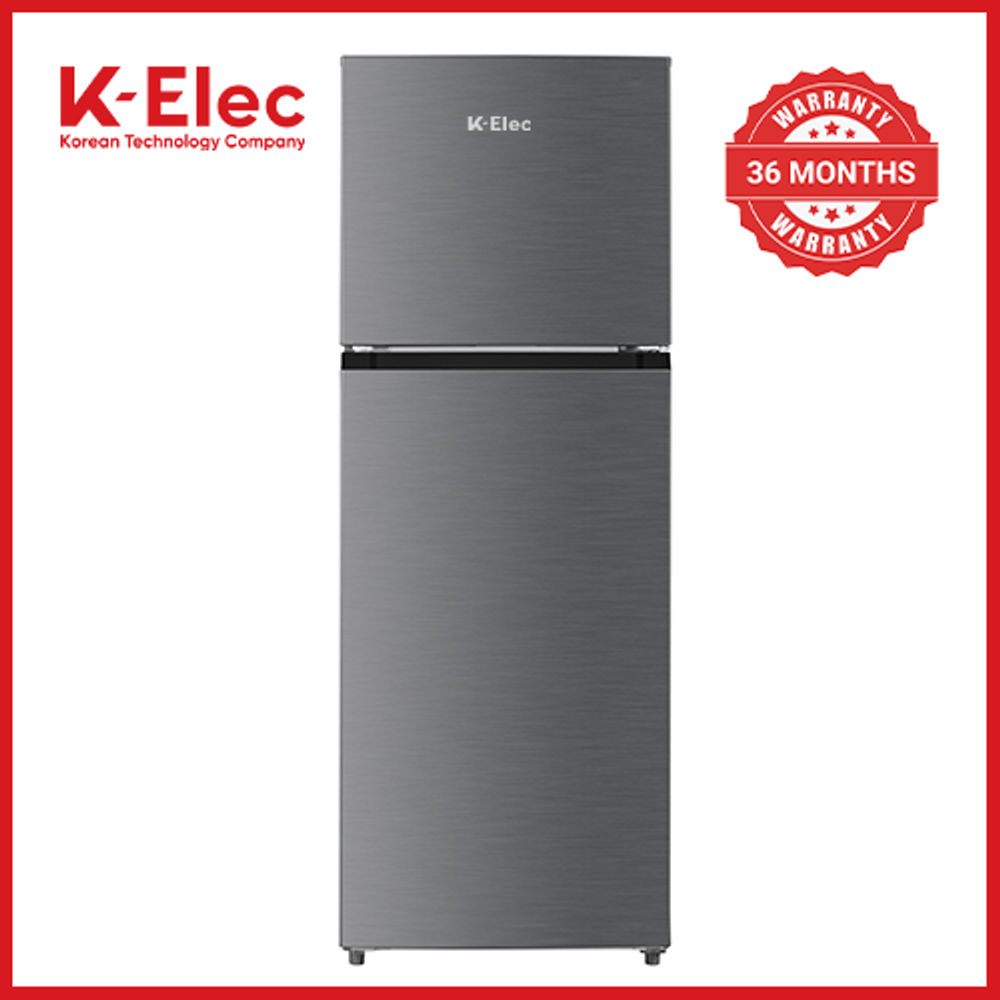
Before buying the listed K-Elec 356L, 206L or 100L options, confirm which specification belongs to each exact model. Check current availability, dimensions, compartment arrangement, cooling system, energy information and support terms on the live product page. Do not assume that a feature mentioned for one appliance applies to the others. If the listing does not answer a requirement that matters to you, ask for written clarification.

Your final decision should connect a storage need to a verified feature: enough fresh-food shelving, a freezer layout you can reach, dimensions that clear your doorway, or a maintenance routine you can manage. Keep the model details and instructions with your purchase records. That gives you a usable appliance from the first day and a clear reference if you need parts, service or help later.

Current Umoja options

Shop the shortlist

Treat capacity as a household decision, not a specification contest. The right appliance should make the normal week easier without taking over the room.

Before checkout, review Umoja’s Delivery Policy, Return Policy and the exact product configuration you selected.

Related buying guides


Umoja Marketplace logo
Admin

Published on 30 Sep, 2026


Read next

Fast & Secure Delivery

Same-day available in Nairobi.

Genuine Products

Sourced from official distributors.

Easy Returns

On faulty, wrong or damaged items.

Pro Quality Support

Call & WhatsApp: Mon–Fri 8am–8pm, Sat 10am–2pm, Sun closed.